

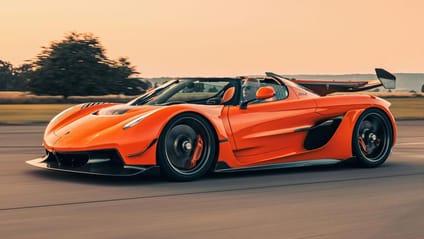
Sports cars attract attention through a combination of proportions, engineering, and carefully considered design. Their appeal often comes from the relationship between the body shape and the details that support it. For owners who want a more distinctive appearance, exterior upgrades can provide a way to personalize a vehicle while retaining its original character.
The challenge is knowing how far to go. A successful modification should complement the car’s existing lines, maintain practical usability, and meet the requirements of its intended driving environment. A thoughtful approach usually produces a more cohesive result than selecting individual parts simply because they look aggressive.
Understanding the Role of Body Styling
Body styling can change the visual balance of a vehicle. Lower-looking side sections, sculpted bumpers, carefully shaped spoilers, and coordinated trim may make a car appear wider or more purposeful. However, each addition should work with the vehicle’s existing dimensions.
Before selecting modifications, study the original design. Notice the relationship between the front bumper, wheel arches, side panels, rear bumper, and roofline. These elements establish a visual rhythm that aftermarket parts should ideally preserve.
Form Should Follow Function
A component that appears aerodynamic does not automatically improve aerodynamic performance. Airflow depends on the shape of the entire vehicle, the speed at which it travels, and the interaction between individual components.
For road cars, visual changes should not be confused with verified performance gains. Owners seeking measurable aerodynamic benefits should look for credible testing or technical information rather than relying exclusively on appearance or marketing descriptions.
Choosing a Body Kit That Suits the Vehicle
A body kit typically includes several exterior components designed to create a coordinated appearance. Depending on the application, it may feature redesigned bumpers, side skirts, diffusers, spoilers, or other trim pieces.
The right kit depends on the car’s original styling, the owner’s goals, and how the vehicle is used. A daily driver may benefit from subtle additions that preserve ground clearance, while a show vehicle may prioritize a more dramatic visual transformation.
For enthusiasts exploring a 570s body kit compatibility and the intended configuration are important starting points. Verify the precise model application, included components, finish options, and installation requirements before making a decision.
Material Quality and Fitment
The material used for an exterior component affects its weight, finish, durability, repairability, and price. Common options include different plastics, fiberglass composites, and carbon-fiber composites. Each has advantages and limitations.
A premium-looking surface does not necessarily guarantee good construction. Inspect edges, mounting locations, surface consistency, and the quality of the supplied hardware. If possible, review examples of the finished component installed on the same vehicle model.
Why Precise Fitment Matters
Poorly fitting parts can create uneven panel gaps, unwanted movement, rattles, and installation difficulties. Components may require adjustment or professional preparation before painting and final assembly.
Ask the supplier whether the part is designed as a direct replacement or requires modification. Clarify whether mounting hardware is included and whether the original bumper or other factory components need to be altered.
Preserving Everyday Practicality
Exterior upgrades can affect the way a car performs in ordinary situations. A deeper front lip may reduce approach clearance, while low side skirts can become vulnerable near steep driveways, ramps, and speed bumps.
Before selecting a design, consider the routes the vehicle regularly travels. If the car is driven frequently, prioritize a setup that remains manageable in parking structures and on uneven roads.
Lighting, reflectors, registration plates, parking sensors, and driver-assistance equipment should remain functional and unobstructed. Modifications must also comply with the applicable road regulations and inspection requirements in the vehicle’s location.
Installation: Preparation Is Essential
Installing exterior components involves more than attaching them to the body. The vehicle should be inspected for existing damage, and all supplied parts should be checked before work begins.
A professional installer will typically test the fit, confirm alignment, identify any necessary preparation, and use appropriate fasteners and installation methods. Painted parts may require careful surface preparation and color matching.
Avoid Rushing the Finishing Process
Rushing installation can lead to visible gaps, damaged paint, weak attachment points, or uneven finishes. Allow enough time for any adhesive, paint, or finishing materials to cure according to the manufacturer’s instructions.
After installation, inspect the vehicle from several angles and verify that the components remain secure. Any unusual movement, scraping, or vibration should be investigated rather than ignored.
Creating a Cohesive Exterior Theme
A balanced modification plan uses consistent design cues. If the front of the car has sharp, angular details, rounded additions elsewhere may look disconnected. Similarly, mixing several finishes can make an otherwise well-designed vehicle feel cluttered.
Consider the wheels, paint color, window trim, mirrors, and rear styling as part of the same visual composition. A limited number of complementary changes can often create a stronger result than installing every available accessory.
It is also useful to document the original condition and keep any removed factory parts. This may help with future repairs, resale, or a return to the standard configuration.
Conclusion
A well-planned sports-car modification combines visual impact with sound fitment, material quality, and everyday practicality. By researching compatibility, choosing a cohesive design, and using qualified installation support where needed, owners can personalize their vehicles without overlooking important functional considerations. The best result is one that looks intentional, remains secure, and suits the way the car is actually driven.
FAQs
1. What should I check before buying a sports-car body kit?
Confirm exact vehicle compatibility, material specifications, included parts, mounting hardware, finish requirements, and the expected installation cost.
2. Can body styling improve a car’s aerodynamic performance?
Some designs can influence airflow, but the result depends on engineering and testing. Appearance alone is not proof of improved aerodynamic performance.
3. Are aggressive exterior modifications suitable for daily driving?
They can be, provided they preserve sufficient ground clearance, visibility, sensor function, and road legality. Consider the vehicle’s regular driving conditions before choosing a design.
 MalaysiaCarRental offers a seamless and affordable way to explore the stunning landscapes and vibrant cities of Malaysia. With a diverse fleet of vehicles, flexible rental options, and exceptional customer service, travelers can enjoy the freedom to discover the beauty of Malaysia at their own pace. Experience convenience and reliability today!